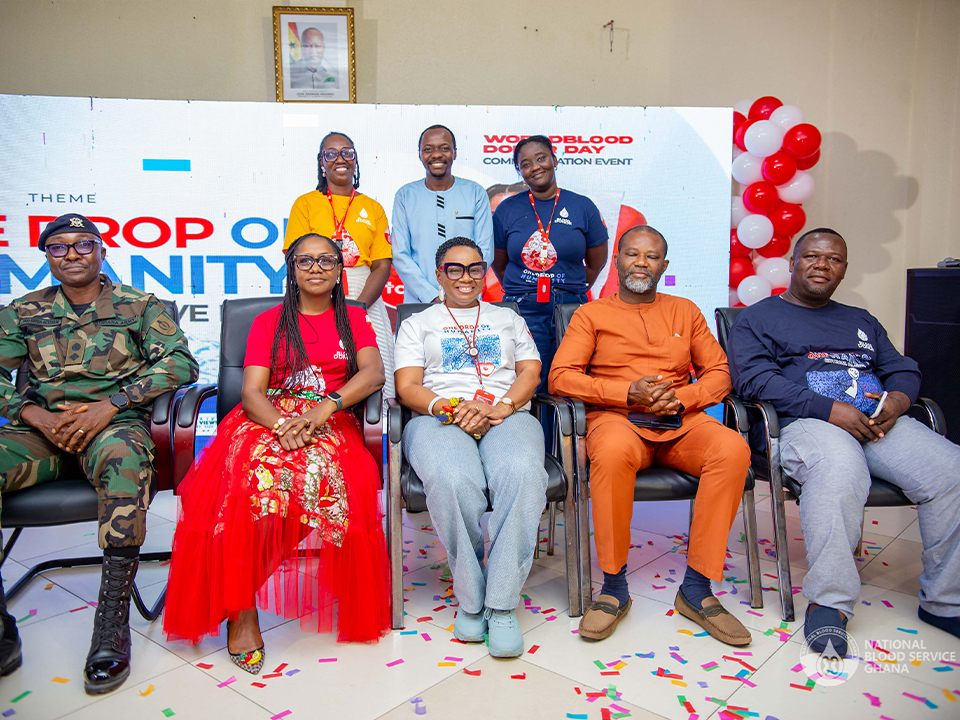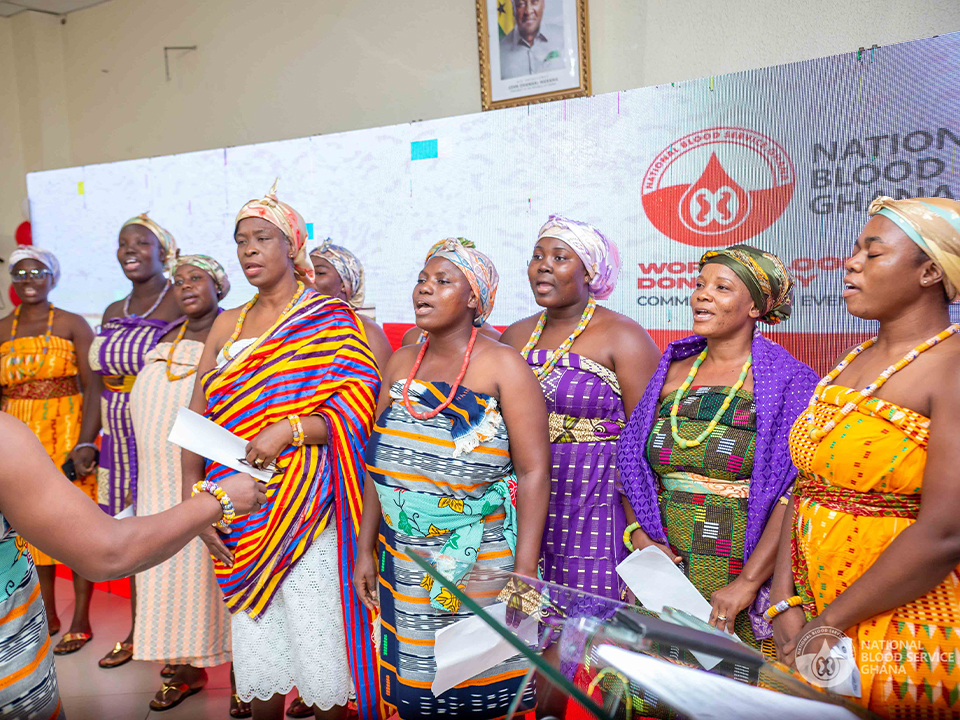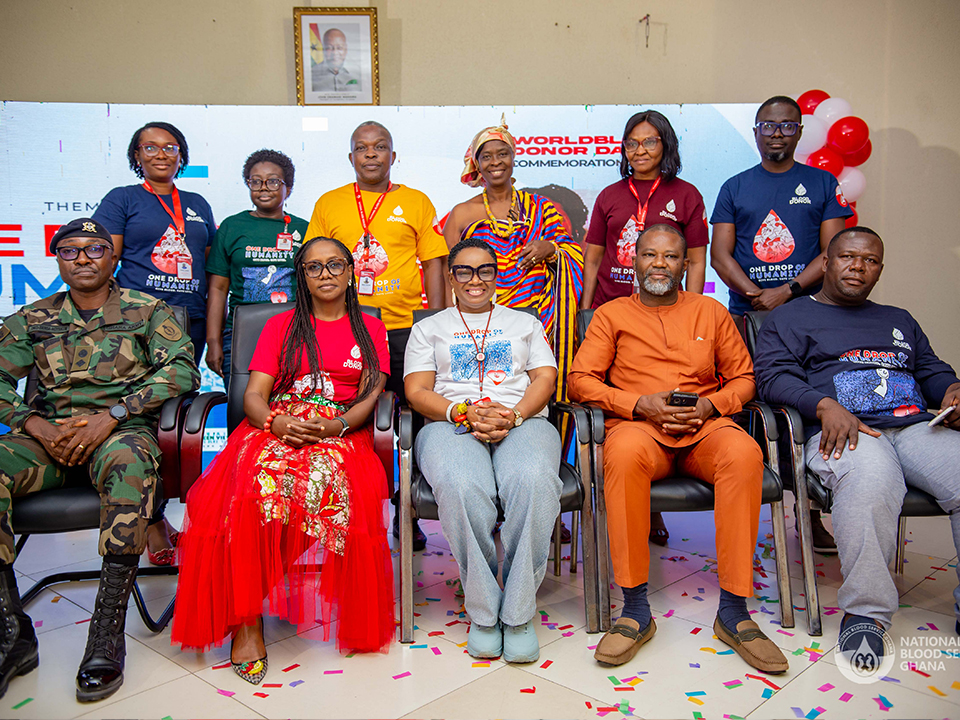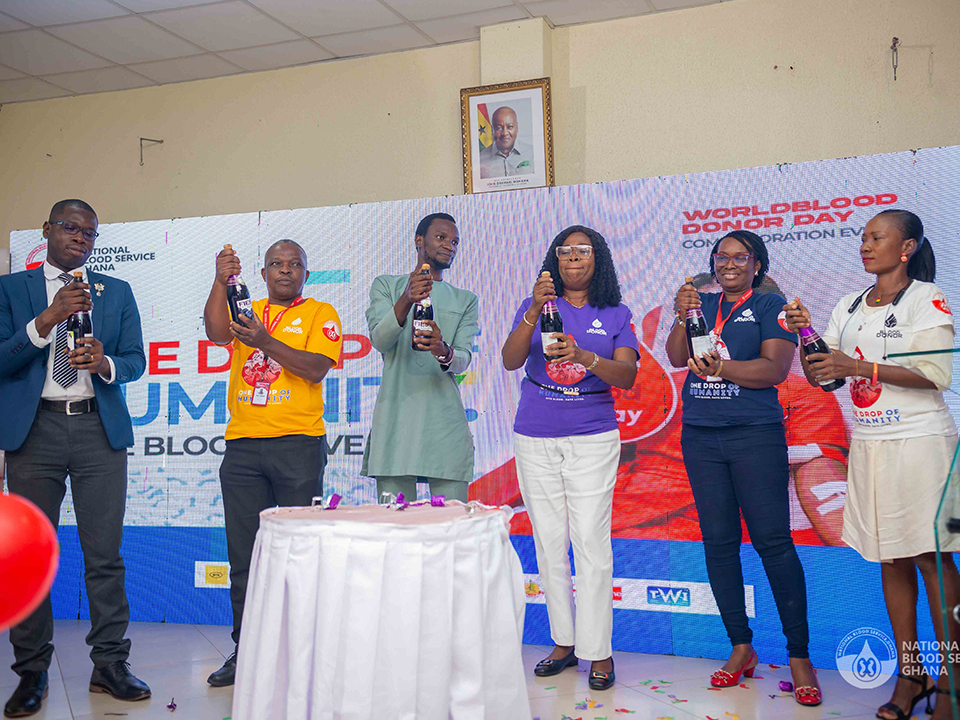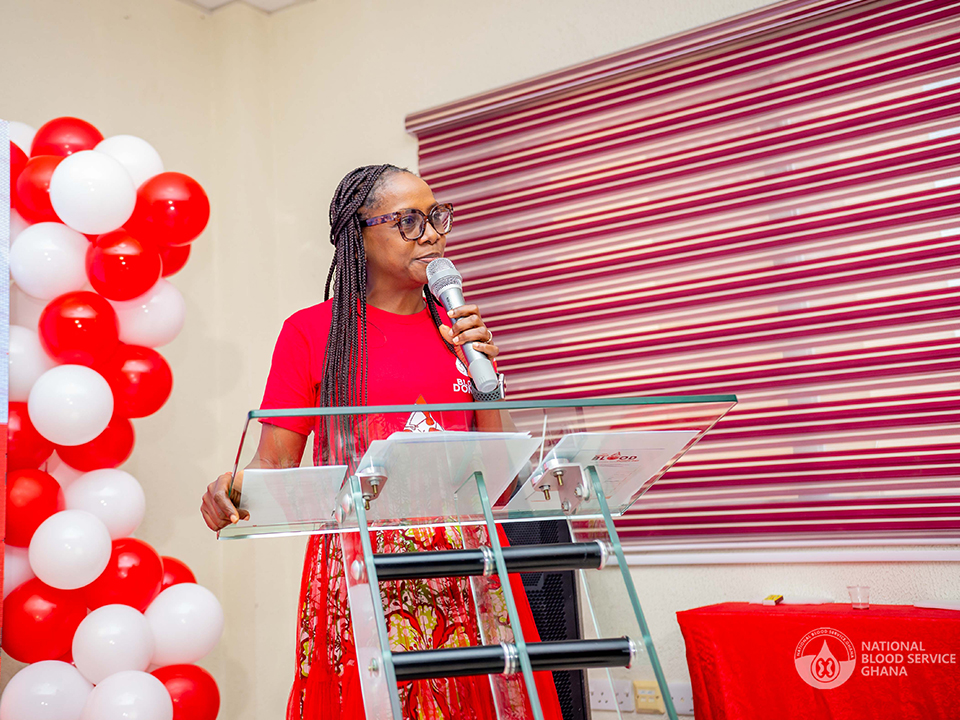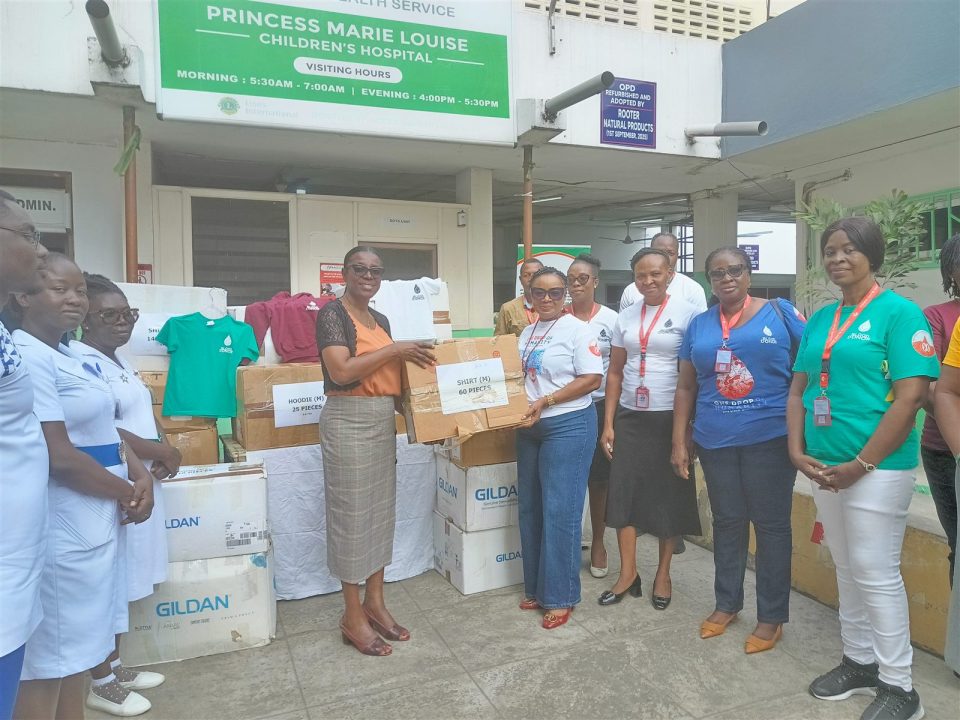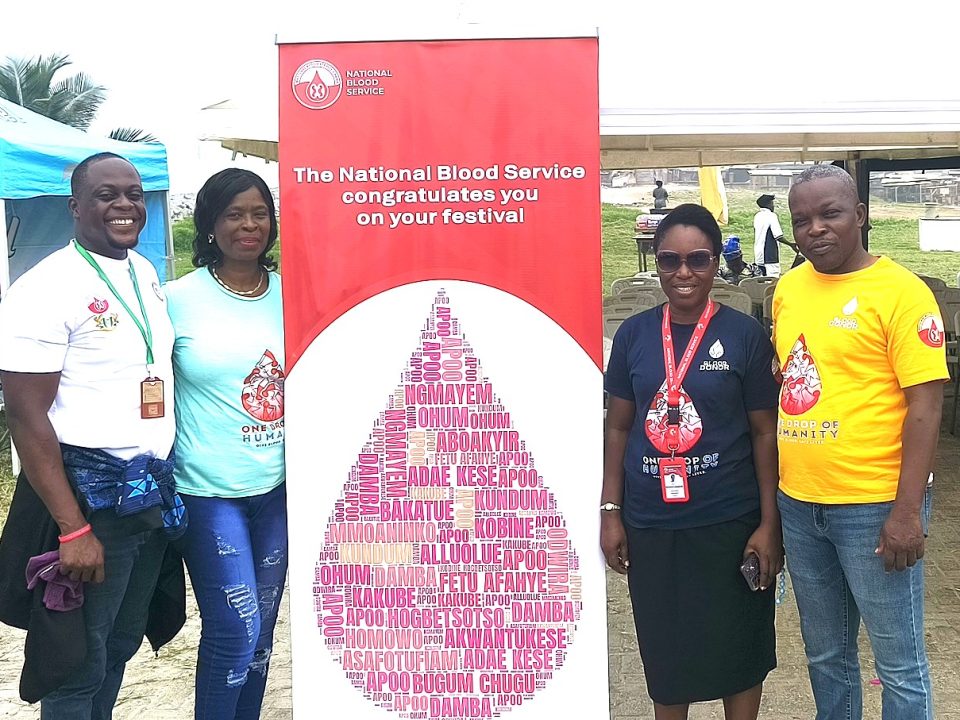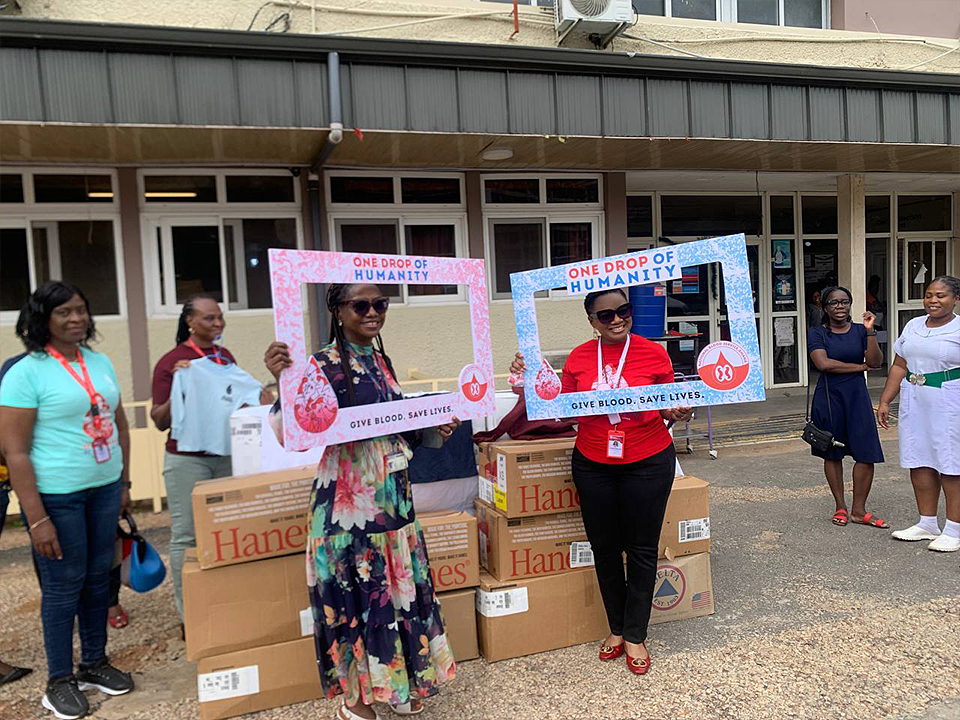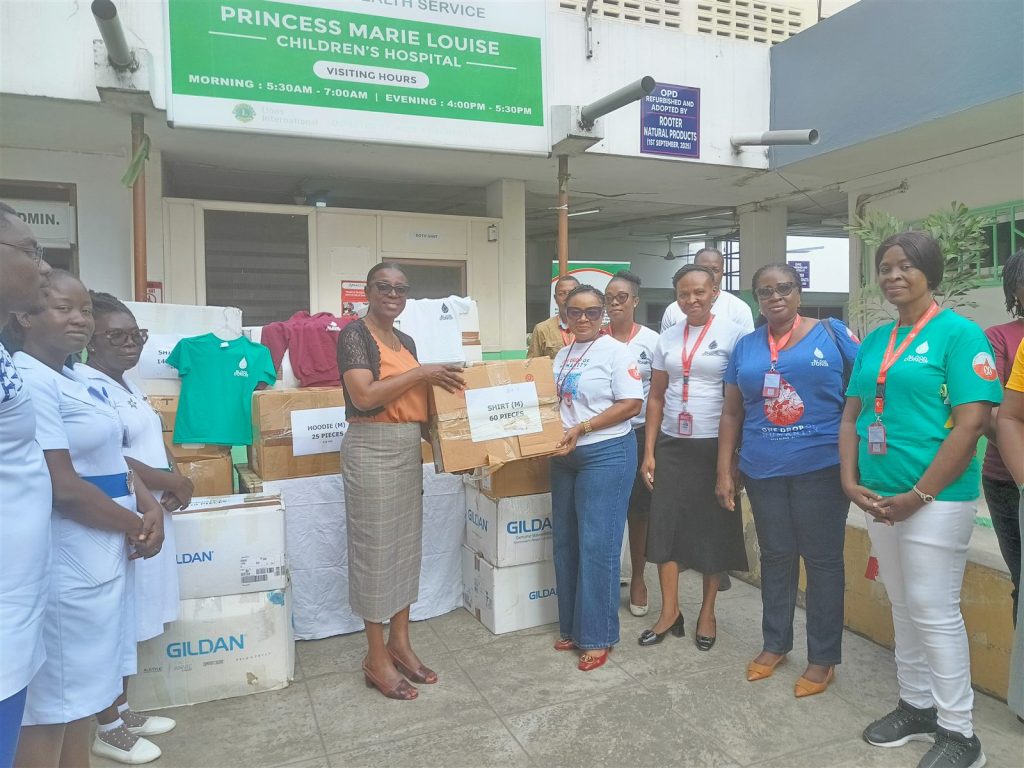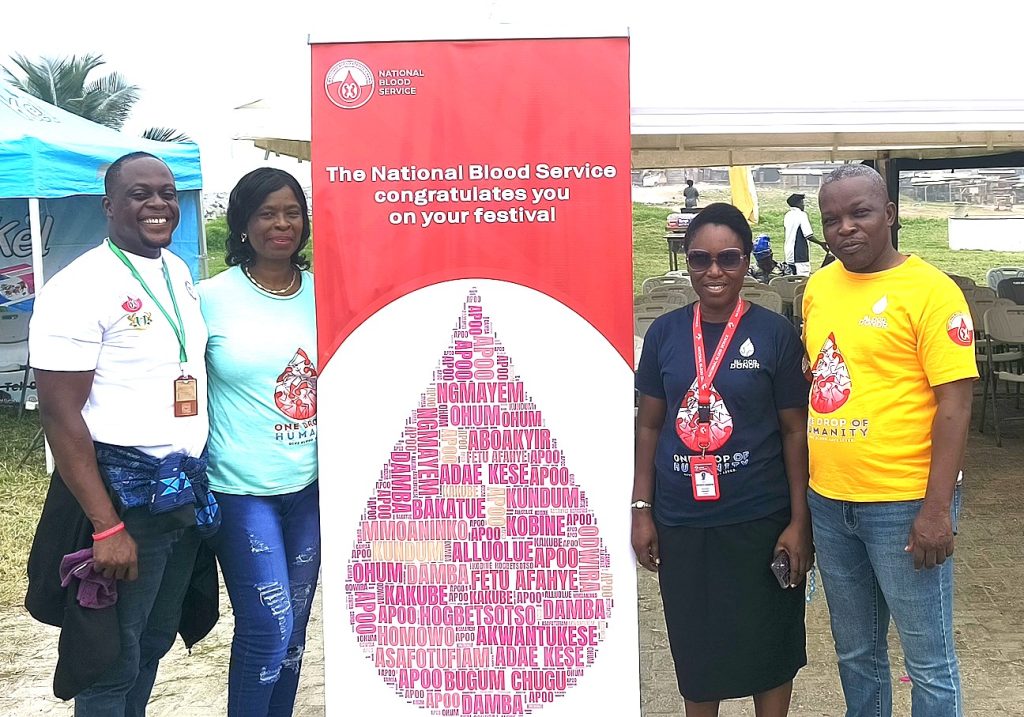
Achieving 100% voluntary, unpaid blood donation is “critical” for Ghana, Health Minister Hon. Kwabena Mintah Akandoh declared, in a speech read on his behalf, as the National Blood Service launched 2026 World Blood Donor Day activities in Accra on Friday, June 12.
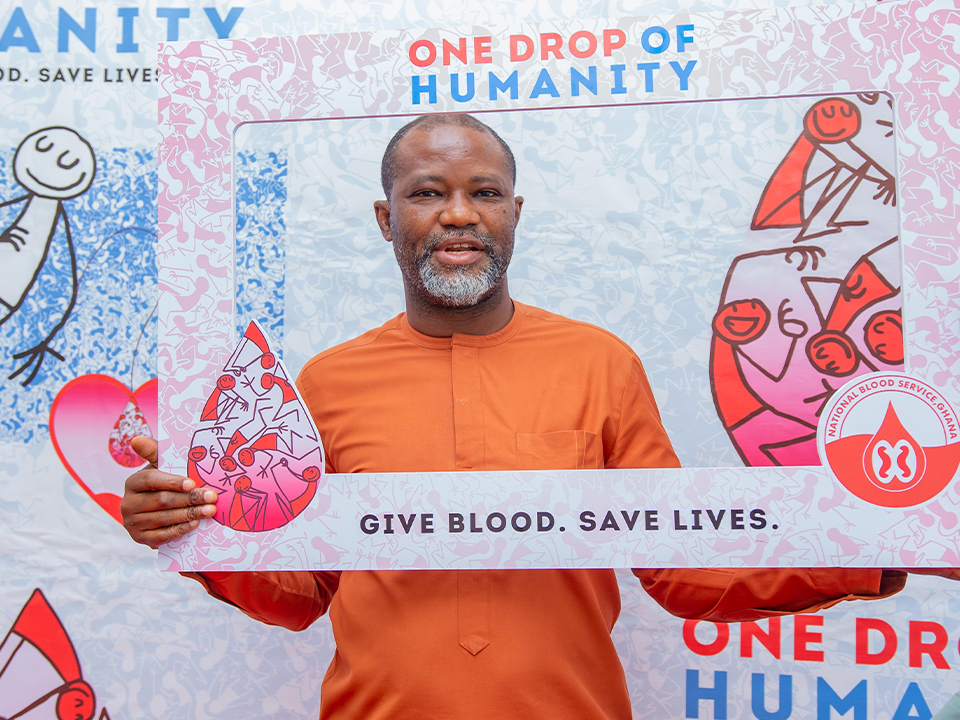
In a direct appeal to Ghanaians aged 17 to 60, the Minister’s message urged citizens to “step forward and donate” under this year’s campaign slogan, “One Drop of Humanity. Give Blood. Save Lives.” Blood donation, he said, represents “compassion, solidarity, and civic responsibility made visible,” sustaining mothers facing childbirth complications, children with severe anaemia, accident victims, and patients living with sickle-cell disease, cancers, and other conditions.
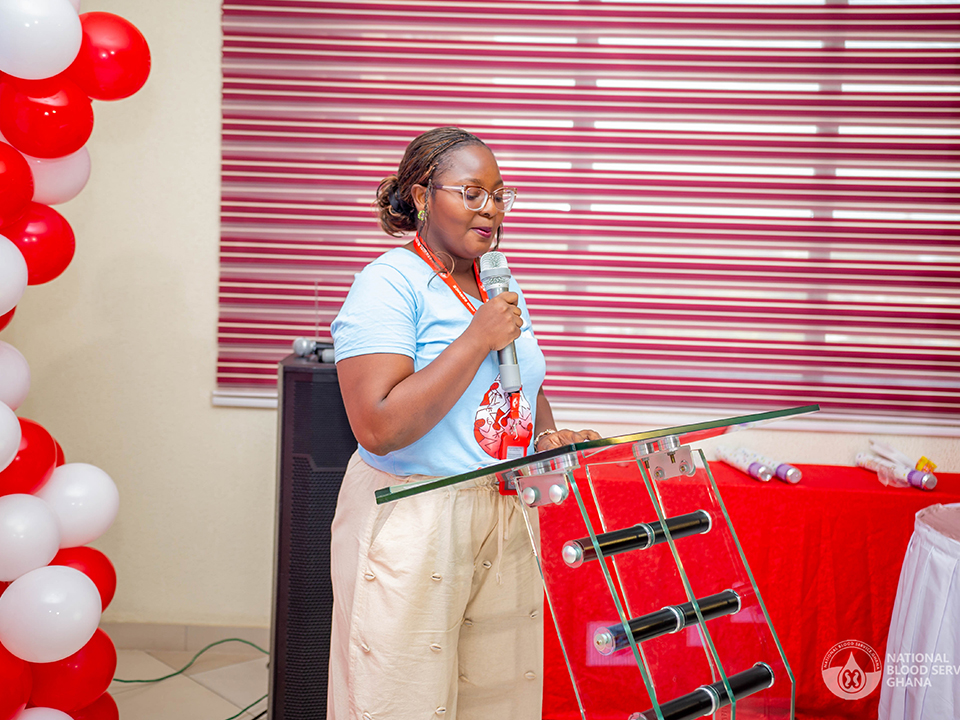
 The Minister’s address, delivered by Director of Allied Health Dr. Ignatius Abowini Nchor Awinibuno, noted that Ghana collected approximately 200,000 units of blood in 2025, falling short of a clinical need exceeding 300,000 units. Only 36% of supply currently comes from voluntary, unpaid donors, well below the World Health Organization’s 80% benchmark.
“This deficit in managing emergencies, pregnancy-related bleeding, and complex surgeries has a real human cost that we cannot overlook,” the Minister’s statement read.
Connecting the shortfall to broader health policy, the address noted that the success of the Free Primary Health Care initiative, launched in April 2026, hinges on patients’ timely access to safe transfusions. To help close the gap, the Ministry pledged to support the National Blood Service in equipping Regional Blood Centres with new screening, processing, and storage equipment through the Ghana Medical Trust Fund.
The Minister also called for grassroots mobilisation, urging towns and neighbourhoods to register at least 1% of their population as regular donors, and appealing to traditional authorities, faith-based and corporate organisations, and civil society groups to champion community-level donation drives. “Together, we can build a culture where giving blood is a normal, everyday phenomenon,” the statement said.
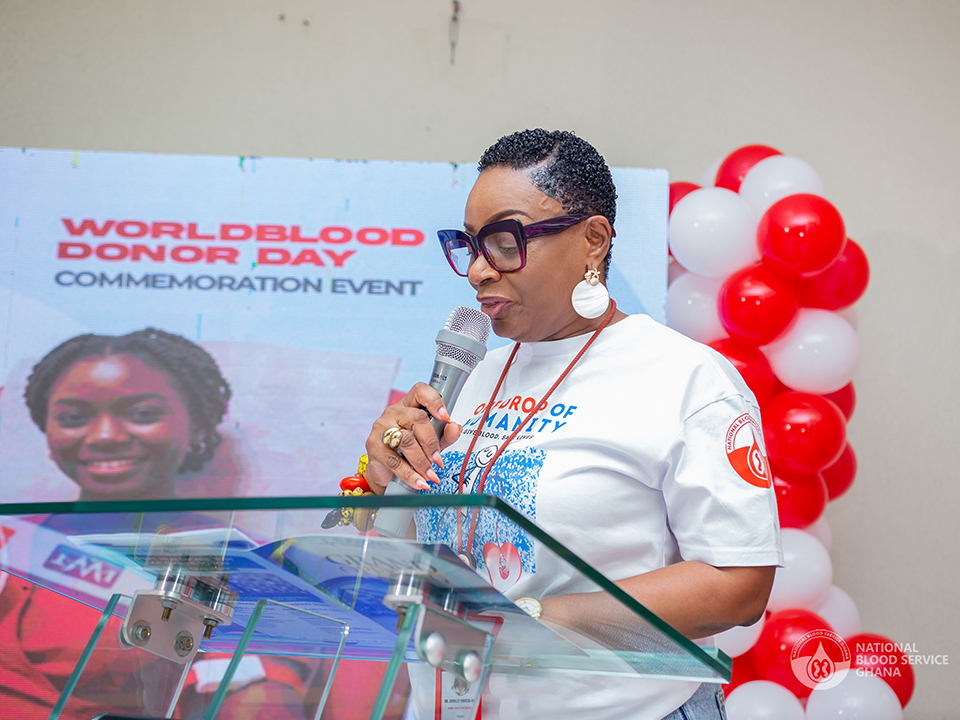
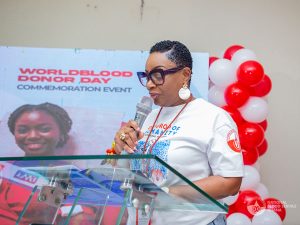 The Chief Executive of the National Blood Service, Dr. Shirley Owusu-Ofori, in her welcome address noted that Ghana’s Blood Collection Index has risen from 5.7 to 6.6 over the past five years. Even so, she pointed to a persistent shortage of regular donors, limited infrastructure, and ongoing misinformation as challenges that keep the country dependent on family-replacement and paid donors, with consequences for both the safety and adequacy of the blood supply. As part of this year’s World Blood Donor Day celebrations, she encouraged the public to support the “Drop Your Drop” campaign, a WHO global initiative inviting individuals to pledge as voluntary blood donors through an interactive online platform accessible via QR code, symbolically adding their drop to a growing worldwide movement.
Beyond the corporate and faith-based organisations formally honoured, the Minister and the Chief Executive also recognised the wider network sustaining Ghana’s blood system, among them students, teachers, the Ghana Education Service, Teaching hospitals, the security services, universities, and development partners.
Closing the Minister’s remarks, Dr. Awinibuno read: “The whole of humanity can be reflected in a single drop. Let Ghana’s drop be one of unity, science, and shared responsibility.” The address saluted regular donors and health workers before formally declaring the 2026 activities launched, adding, “To those who have not yet donated: we need you.”
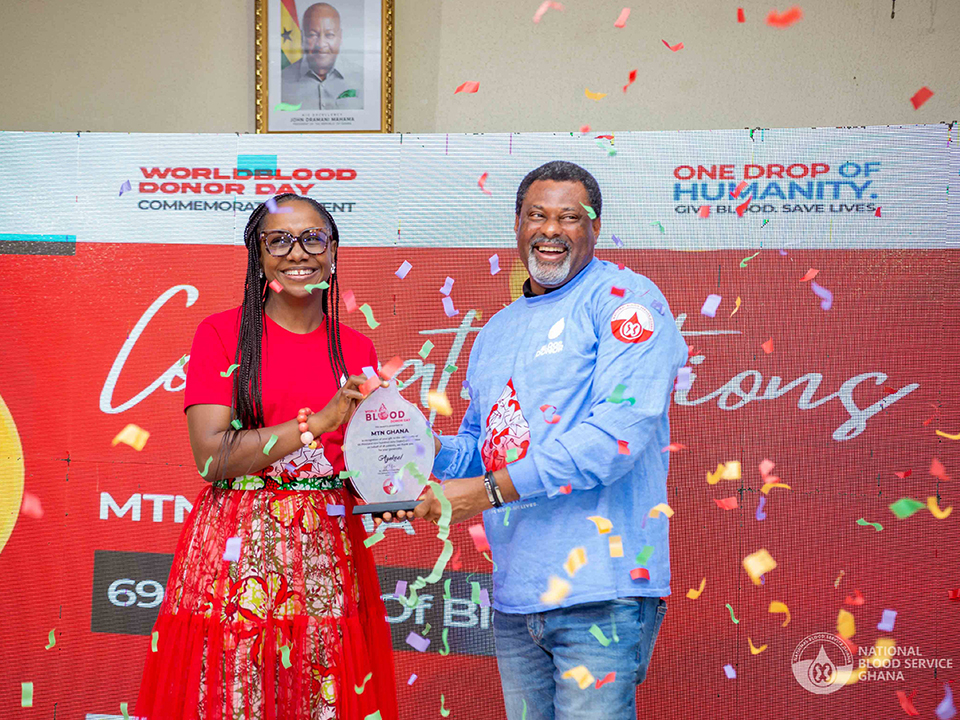
Corporate and faith-based organisations honoured for their voluntary donation contributions between June 2025 and May 2026 included MTN Ghana, Nestlé Ghana, Twellium Ghana Limited, Zipline Ghana, the Presbyterian Church of Ghana, the Ahmadiyya Muslim Mission, Melcom Ghana Limited, the Catholic Archdiocese of Accra, and GOIL.