A child arrives in the emergency room, hovering at death’s door.
His small hands are eerily pale, his eyes staring at the ceiling. His heart pounds desperately, fighting to sustain a body that is gradually shutting down. As his family waits anxiously for a miracle, doctors race against time to find blood – a product that cannot be bought at the pharmacy, printed in the laboratory, or sourced from a factory.
Every year on June 14, the world celebrates the incredible sacrifices made by people who voluntarily give a piece of themselves, most often to someone they will never know and never meet – blood donors.
The gift of blood donation transcends age, ethnicity, social class, religion, and political affiliation.
When a pregnant woman is bleeding profusely after childbirth, or a child with cancer or sickle cell disease has a haemoglobin level of 2g/dl, their lives literally depend on access to this life-saving product.
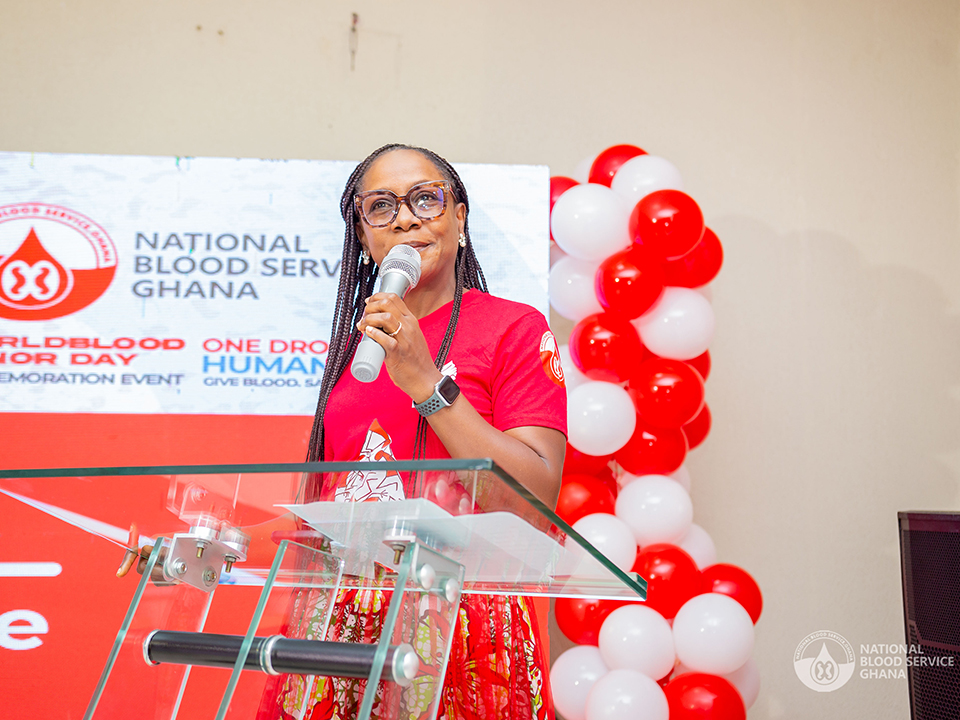
This year’s theme captures that urgency and serves as a powerful call to action: ”One drop of humanity. Give blood. Save lives.”
It invites us to pause and reflect on how small acts of kindness can yield great benefits.
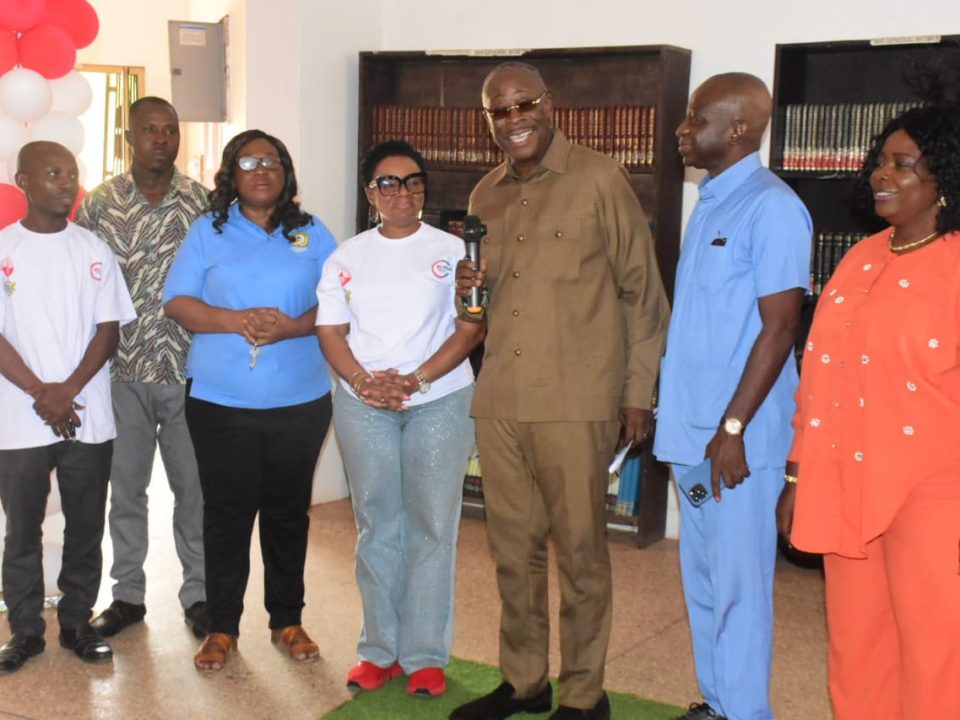
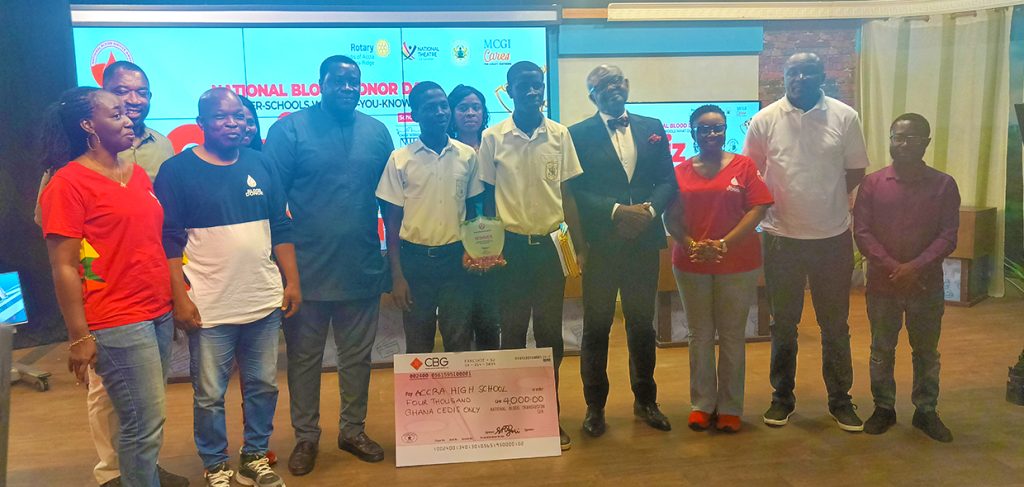
Last week, I was privileged to chair the World Blood Donor Day commemoration event at the National Blood Service.
It was a celebration of these donors (individuals, corporates, faith-based organizations) and an acknowledgement of the dedicated health workers, blood service staff and advocacy groups whose work strengthens blood donation and transfusion services ensuring a safe and reliable supply of products.
As I reflected on the stories shared that day, three lessons stood out to me.
First, never underestimate the power of one.
One drop. One donor. One donation. One act of kindness.
A single blood donation can save multiple lives. And when that act is repeated regularly, it becomes an extraordinary force that strengthens families, communities, and entire health systems.
The power to save a life is within each of us. And this goes beyond blood donation. Every single one of us has something to offer that can improve another person’s life.
Second, solutions often emerge from challenges.
When we encounter problems, we must resist the temptation to become discouraged. Instead, we must see them as opportunities to innovate, collaborate, and improve.
At the event, we heard how a challenge in securing adequate blood for a maternity ward led to a partnership with the Ahmadiyya Muslim Mission – a partnership that now contributes thousands of units of blood each year and saves countless lives.
Our most meaningful and impactful solutions often emerge when people come together around a shared problem.
Progress begins when we act rather than accept the status quo.
Finally, our humanity is our greatest strength.
In a world that is becoming increasingly digital, automated, and driven by technology, we must never lose the qualities that make us human: compassion, empathy, generosity, and selflessness.
These are values we must model, nurture, and pass on to the next generation.
Because if we lose our humanity, while we may become more digitally connected, we will care much less.
Let’s always remember that humanity is measured not by what we own or possess, but by what we are willing to give.
As we begin this week, may we all continue to give of ourselves selflessly.
Change begins with one person willing to make a difference, is magnified by many who share a common goal, and is sustained by the virtues that define our humanity.
Defy. Rise. Rewrite.
Author: PROF. CATHERINE SEGBEFIA
Head of Child Health, University of Ghana Medical School.